


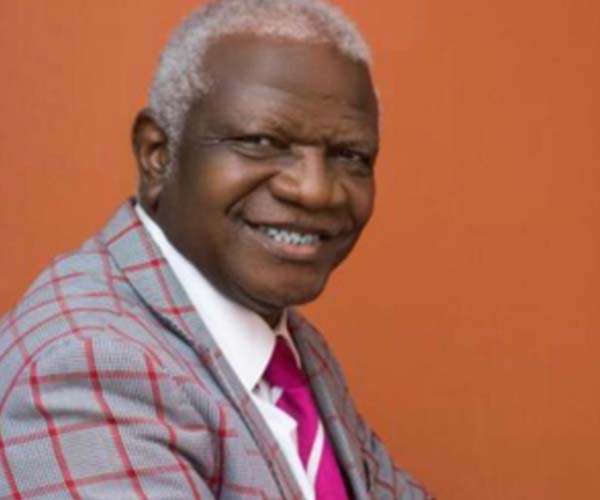
Prof. Adedeji Daramola
IERD Executive Director & Founder
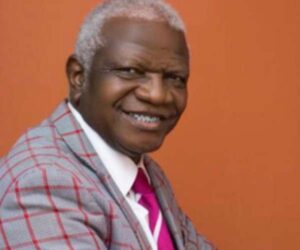
Prof. Adedeji Daramola
IERD Executive Director & Founder
Professor Adedeji Daramola is a distinguished member of the Board of Directors of the Institute for Environment Research and Development (IERD).
He is the brain behind the Institute.
Professor Adedeji Daramola is currently the Deputy Director (Programmes)/Deputy Chief Executive of Olusegun Obasanjo Leadership Institute (OOLI).
Prof. Daramola is the world’s first Professor of Architecture specializing in Nomadic Housing. He formerly served as the Deputy Vice Chancellor of Caleb University, Lagos, and has international experience with the Royal Institute of British Architects (RIBA), UK.
He was awarded the World Bank Study Fellowship for his doctoral research at the University of Newcastle-upon-Tyne, UK.
Prof. Daramola has been a Visiting Research Scholar at CARDO, a consultant to UN-HABITAT, and played a key role in urban planning projects in Nigeria.
He is also an expert in establishing new academic institutions, contributing to the founding of Covenant University, Bells University and Redeemer’s College of Technology and Management (RECTEM).
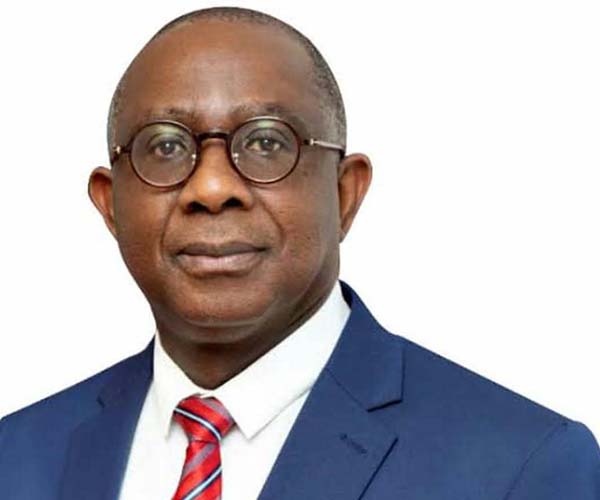
Prof. Oyebanji Oyelaran-Oyeyinka
Chair, International Advisory Board, IERD
Prof. Oyebanji Oyelaran-Oyeyinka
Chair, International Advisory Board, IERD
Professor Banji Oyelaran-Oyeyinka worked as the Senior Special Adviser on Industrialization to the President of the African Development Bank (AfDB) where he coordinated the establishment of Agro-Industrial Processing Zones and Industrial Policy in several African countries where he led the US$1 billion Special Agro-Industrial Processing Zones (SAPZ) initiative.
He brings to the role a wealth of experience from over two decades in international development, having served as Senior Special Adviser on Industrialization to the President of the African Development Bank (AfDB),
Professor Oyelaran-Oyeyinka holds a Bachelor of Science (First Class Honours) in Chemical Engineering from the University of Ife (now Obafemi Awolowo University), Master’s in chemical engineering, University of Toronto, Canada, and Doctor of Philosophy (DPhil) in Development Economics specializing in the Economy of Technological Change and Industrialization, University of Sussex, United Kingdom.
He is the first Nigerian professor in the field of Development Economics and Industrial Policy.
Professorial Fellow and former Professor of Development Economics at the United Nations University – Institute for New technologies (UNU-INTECH) for six years (2001-2006). UNUINTECH is a globally acclaimed Centre for research and training. The Centre benefited from Professor Oyelaran-Oyeyinka’s research and training during its earlier years. He earned global acclaim for his pioneering work in the field of Industrialization, Technological Change and Innovation Policy. He continues to be affiliated with the Centre (now United Nations University MERIT) as Visiting Professor.
- Fellow of the Nigerian Academy of Engineering.
- Fellow, Nigerian Academy of Chemical Engineering.
- Visiting professor, The Open University, UK.
- Former member of the Governing Council of the Nigerian Institute of Social & Economic Research (NISER).
- Member, Advisory Council on Industrialization of the African Continental Free Trade Area (AfCFTA).
- Winner of the National Productivity Order of Merit (NPOM).
Prof. Oyeyinka is a global thought leader and an astute administrator who served at a very high level within the United Nations (UN) system for 20 years, his last positions being Director, Regional Office for Africa, overseeing 24 countries; Chief Scientific Advisor, UN-HABITAT, and Director Monitoring & Research Division.
He provided intellectual leadership for UNHABITAT flagship reports: “State of the World Cities Report” and the “Global Report on Human Settlements”, and guided work on the introduction of new ways to look at development and prosperity issues in Africa in several UN organizations, including at the United Nations Conference on Trade and Development (UNCTAD), Geneva, where he coordinated the ten-year review of performance of Least Developed Countries (LDCs)., The “City Prosperity Index”, a monitoring metric for city performance, that he introduced under his leadership, is now used in over 400 cities globally.
Academic Work and Books
He is a prolific writer, and his books include Industrialization and Economic Diversification: Post Crisis Development Agenda in Asia and Africa co-authored with Kaushalesh Lal, Routledge Publishing (2022); Resurgent Africa: Structural Transformation in Sustainable Development, Anthem Press, 2020; Structural Transformation and Economic Development: Cross-Regional Analysis of Industrialization and Urbanization, Routledge Publishers (2017); Sustainable Industrialization in Africa: Toward a New Development Agenda, co-authored with Padmashree Gehl Sampath, Palgrave Publishing, 2015; Urban Innovation in China’s Shanty Towns coauthored with Pengfei Ni and Fei Chen, Springer Publishing (2015), Rich Country Poor People: The Story of Nigeria’s Poverty amid Plenty, Technopol Publishers, (2014), Rich Country Poor People: The Story of Nigeria’s Poverty amid Plenty, Technopol Publishers, (2023, revised and updated), Uneven Paths of Development: Innovation and Learning in Asia and Africa, co-authored with Rajah Rasiah, Edward Elgar Publishing (2009); Latecomer Development: Knowledge and Innovation for Economic Growth co-authored with Padmashree Gehl Sampath Routledge Publishing, (2010); The Gene Revolution and the Global Food Crisis: Biotechnology Capacity in Latecomer Countries, co-authored with Padmashree Gehl Sampath, Palgrave McMillan (2009); Learning to Compete in African Industry, Ashgate Publishing (2006); and Industrial Clusters and Innovation Systems in Africa, co-authored with Dorothy Mc-Cormick, United Nations University Press, (2007).
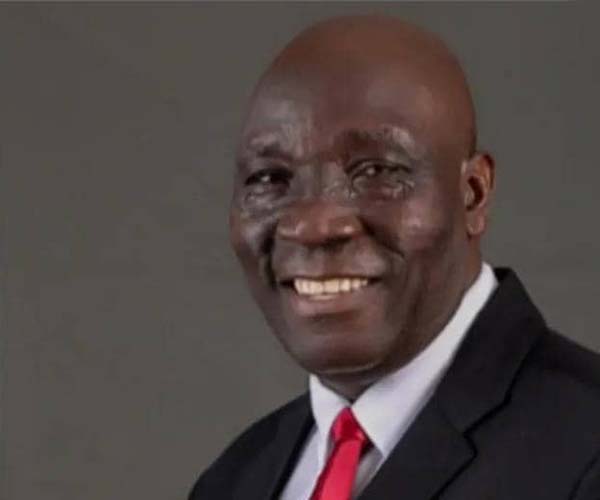
Prof. Babatunde Agboola
Chairman of the Board of Directors
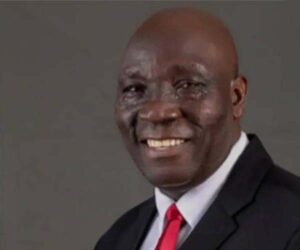
Prof. Babatunde Agboola
Chairman of the Board of Directors
Professor Samuel Babatunde Agboola is one of the members of the Board of Directors of the Institute for Environment Research and Development (IERD).
He is a distinguished Nigerian urban and regional planner, academic and researcher with extensive experience in city planning, housing and environmental management.
Formerly with the University of Ibadan and Mangosuthu University of Technology, he is a leading expert in planning policy and research across Africa.
Prof. Cyril Ayodele Ajayi
IERD Board Member
Prof. Cyril Ayodele Ajayi
IERD Board Member
Professor Cyril Ayodele Ajayi is a member of the Board of Directors of the Institute for Environment Research and Development (IERD).
He has supervised numerous PhD theses and mentored many students who have become professors.
Prof. Cyril Ayodele Ajayi has published textbooks and articles that have advanced real estate education nationally and internationally.
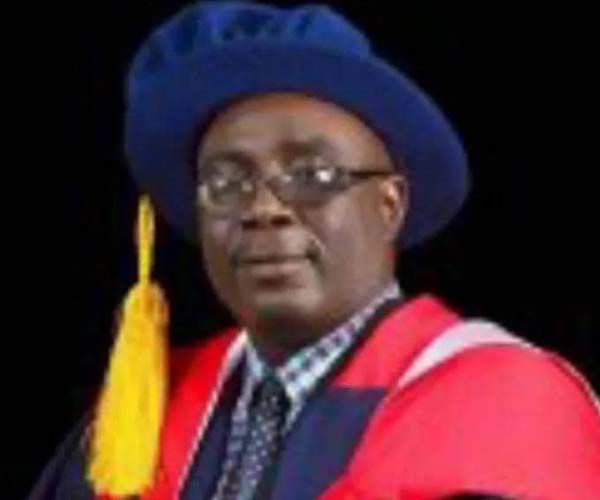
Prof. Olusegun Ogunba
IERD Board Member
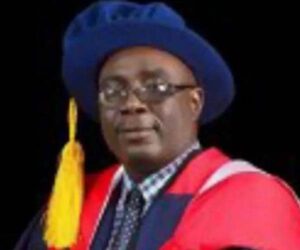
Prof. Olusegun Ogunba
IERD Board Member
Professor Olusegun Ogunba is a member of the Board of Directors of the Institute for Environment Research and Development (IERD).
Prof. Ogunba has taught valuation, feasibility and viability studies for over twenty-nine years. He is a prolific researcher and research paper writer with over seventy publications and two major real estate textbooks (Principles and Practice of Property Valuation and Property Feasibility and Viability Studies) to his credit.
His valuation/property investment papers have won best paper awards, including two International Real Estate Research Symposium Best Paper Awards (Malaysia, 2014) and three African Estate Society Conference Best Paper Awards (Ghana, 2012; South Africa, 2017; and Ghana, 2022).
He has also successfully supervised six PhDs and twenty-one master’s theses.
Dr. Obuks Augustine Ejohwomu
IERD Board Member
Dr. Obuks Augustine Ejohwomu
IERD Board Member
Dr. Obuks Augustine Ejohwomu is a Reader (Associate Professor) in Sustainable Built Environment and Project Management at The University of Manchester. He specializes in decarbonized construction, environmental health, air quality monitoring, and digitalization.
Dr Obuks founded the SQUARE Consortium to deploy low-cost air pollution sensors internationally, contributed to 2024 Scottish Building Regulations regarding Passivhaus standards, and investigates circular economies, digital twins, BIM, and AI-driven PM2.5 forecasting Ejohwomu, FNSE, FHEA is a Nigerian-British academic, civil engineer, and researcher currently serving as a Reader (Associate Professor) in Sustainable Built Environment and Project Management at The University of Manchester, where he is also Head of Admissions for the School of Engineering. At The University of Manchester, he leads a sustainable built environment research group, unit functions, and serves as an international external examiner and supervisor. He also acts as Pioneer Chairman of the Nigerian Society of Engineers (NSE) Manchester Branch and holds editorial roles with engineering journals. His background includes overseeing major building construction contracts in Nigeria and working as a systems engineer for Scottish Water in Glasgow, alongside prior research appointments at the University of Wolverhampton and with the EPSRC HaCIRIC center.
He is the Founder and Executive Director of the SQUARE Consortium, an international network deploying low-cost air pollution monitoring technologies across the UK, Africa, and Australia. He also founded the Nudge Special Interest Group
On Healthcare & Innovation. He established the Nudge Special Interest Group for behavioural science in project performance, co-developed a Bubble PAPR device with NHS partners during the COVID-19 pandemic, and researched UK platelet supply chain simulations
Recognitions. Honoured as a Manchester “Heritage Hero”, recipient of the 2024 Project Management Education Award and 2022 Better World Showcase Award, and holds fellowships including FNSE, FHEA, and the Carnegie African Diaspora Fellowship
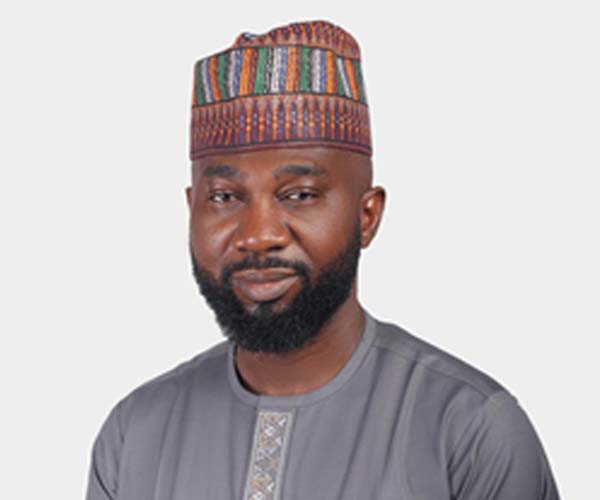
Arc. Orimijupa Olawale Daniel
Member International advisory Board
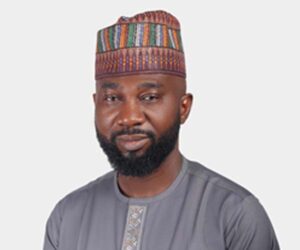
Arc. Orimijupa Olawale Daniel
Member International advisory Board
Arc. Orimijupa Olawale Daniel is a distinguished Nigerian architect, researcher, philanthropist and real estate development consultant with over 20 years of professional experience in architectural practice, construction consultancy, property development and the built environment.
A seasoned architect with a strong commitment to design excellence, innovation and professional advancement, he has built a career distinguished by architectural creativity, technical competence, strategic leadership and a comprehensive understanding of the building development process.
He is the Chief Executive Officer of Tomgate Consults Limited, a professional consultancy and real estate development firm, and GreyDaniels Architect, a 360-degree architectural design firm providing comprehensive architectural and design solutions.
Through his leadership of these organisations, Arc. Daniel provides strategic direction and professional oversight across architectural design, construction consultancy, project coordination, real estate development and the delivery of complex building projects.
His professional practice is founded on the integration of architectural innovation, functional design, technical precision and construction practicality. He has consistently championed architectural designs that transcend conventional building solutions, creating spaces that are aesthetically distinguished, functionally efficient and responsive to the needs of their users.
Over the course of his professional career, he has been involved in a broad spectrum of architectural and development activities encompassing residential, commercial and institutional projects, as well as the renovation, redevelopment and transformation of existing properties.
His areas of expertise include architectural conceptualisation, design development, construction documentation, project coordination, building approval and regularisation, construction management, 3D architectural visualisation and real estate development consultancy.
Arc. Daniel holds a Bachelor of Technology (BTech) in Architecture and a Master of Technology (MTech) from the Federal University of Technology, Minna. He is currently pursuing a Doctor of Philosophy (PhD) at Caleb University, Imota, Lagos State, reflecting his continued commitment to academic advancement, research and professional development.
He is a Researcher, a member of the Nigerian Institute of Architects (NIA) and the Association of Consulting Architects of Nigeria (ACAN). He is also a registered architect with the Architects Registration Council of Nigeria (ARCON).
As a researcher, he maintains a strong interest in advancing knowledge within architecture and the built environment, with particular emphasis on design innovation, environmental quality, sustainable development and the relationship between the built environment and human experience.
Beyond his professional and academic accomplishments, Arc. Daniel is a philanthropist who believes in the importance of giving back to society and contributing to human development. His philanthropic disposition reflects his commitment to compassion, social responsibility and the belief that professional success should be accompanied by meaningful service to humanity.
With over two decades of professional experience, he brings together the perspectives of an architect, researcher, consultant, entrepreneur and philanthropist. His leadership is driven by a dedication to creating enduring architectural value, advancing professional standards and contributing meaningfully to the transformation of Nigeria’s built environment.
He remains committed to promoting architectural excellence, encouraging innovation, supporting human development and inspiring the next generation of professionals
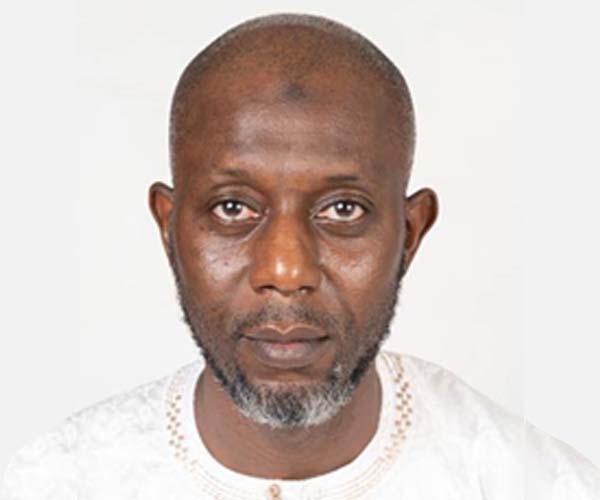
DR Marwan Haruna Abdulkarim
IERD Board Member
DR Marwan Haruna Abdulkarim
IERD Board Member
Dr. Marwan Haruna Abdulkarim is a Nigerian environmental expert, public administrator, and executive director of the Dela Sustainability and Resource Institute, focusing on resource management and sustainable development. based in Abuja.
Marwan H. Abdulkarim is a Board Member of the IERD Otta and was the Special Adviser on Environment to the Zamfara State Governor. Prior to this, he was an Adhoc Lecturer and a Researcher scholar on green and sustainable chemistry at the Centre for Research in Energy and Environment, The Robert Gordon University Aberdeen UK.
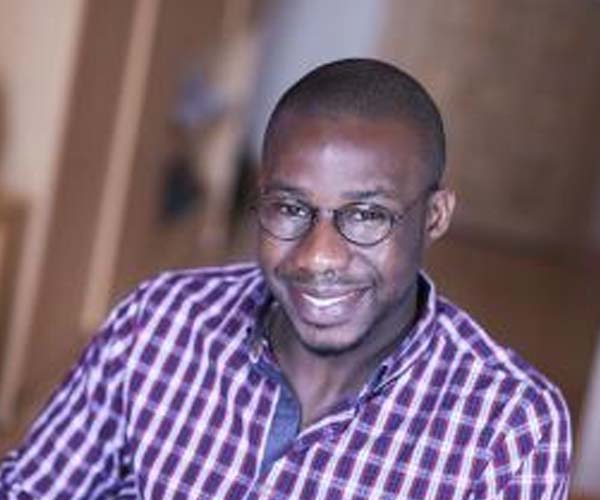
Diekoye Oyeyinka
IERD Board Member
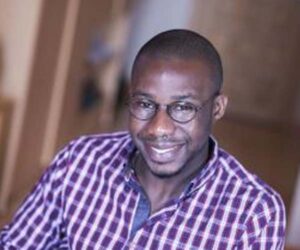
Diekoye Oyeyinka
IERD Board Member
Diekoye Oyeyinka is an economist with more than fifteen years’ experience in urban development, economic policy and public–private partnerships across Africa. He holds an MSc in Urbanization and Development from the London School of Economics and a BA in Economics from Georgetown University.
His work on cities began at UN-Habitat in Nairobi. There he developed policy recommendations on youth urban employment for the Youth Urban Agenda, which were presented at the World Urban Forum. He later contributed to the Centre for Affordable Housing Finance in Africa’s Nigeria Housing Finance Profile. He also contributed to the African Development Bank’s study of Africa’s emerging middle class. As a senior consultant in Nigeria, he led economic research and business-environment assessments for the Kano Centre for Research and Development under the DFID-funded ENABLE2 programme, and trained government officials in policy evaluation.
He has worked extensively with governments on service delivery and infrastructure. At Zipline, he negotiated a $12 million service agreement with Ghana’s Ministry of Health for drone-enabled medical logistics. He also worked with the Lagos State Office of Public-Private Partnerships on emergency health logistics, using economic impact analysis to make the case. He later co-founded and led Boost Technology Nigeria, which works to extend digital credit and financial inclusion to more than 15,000 small businesses in Nigeria’s informal trade sector. He currently leads strategic partnerships at Simprints, working with governments, UN agencies and international funders on immunisation, malaria and nutrition programmes across Africa.
At FTID, he works with Professor Banji Oyelaran-Oyeyinka on industrial and urban development policy, including the TransComs programme. He edited From Consumption to Production: The Whys and Ways Out of Failed Industrialization in Nigeria (2017) and is the author of the novel Stillborn. He speaks English, Yoruba and French.

Dr. Obafemi A. Ibitoye
IERD Board Member
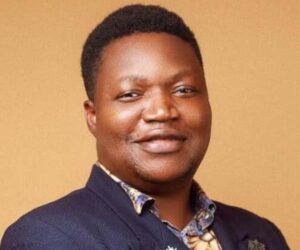
Dr. Obafemi A. Ibitoye
IERD Board Member
Dr. Obafemi A. Ibitoye is a vanguard academic, architect, researcher and institutional leader committed to advancing sustainable built environments through innovative architectural practice, research, education and technology. He is the Head of the Department of Architecture at Caleb University, Nigeria. His professional philosophy emphasises architecture beyond aesthetics, prioritising environmental sustainability, human comfort, social value and economic viability.
He deploys avant-garde digital design and visualisation tools to conceptualise and deliver luxury residential villas, high-rise buildings and contemporary developments, particularly in Lagos and Abuja. With over ten completed buildings under his design signature, his architectural practice reflects tropical modernism, sophisticated spatial experiences and environmentally responsive design.
He is the co-founder of Urbancr8ors Ltd, an architecture and research-driven design firm that prioritises end-user comfort as a fundamental principle of sustainable architecture, integrating functionality, environmental performance, aesthetics and occupants’ wellbeing.
His research interests include sustainable construction, affordable housing, alternative building materials, climate-responsive architecture, landscape architecture, biophilic design, building performance and artificial intelligence in architectural practice. He has undertaken empirical research on Interlocking Stabilised Soil Blocks (ISSBs), particularly their potential to reduce the embodied carbon associated with conventional walling and flooring systems. His Obayemi House project at Redemption City, Nigeria, demonstrates the practical application of ISSBs in residential construction.
In 2018, he won a *₦10 million project grant* for the Nomadic Low-Carbon Housing Project, facilitated by Doyen Consult in collaboration with IERD, to demonstrate environmentally responsible housing solutions for nomadic communities.
With over a decade of experience in architectural education, research and professional practice, Dr. Ibitoye advocates interdisciplinary collaboration and innovation. He champions the United Nations Sustainable Development Goals, particularly SDGs 1, 4 and 13, and envisions an African built environment driven by technological advancement, indigenous resources, architectural excellence and environmental responsibility.